
Stratigraphies

Stratigraphies

Photographs Cristina Epure
Salt paper photographic processes Olivier Guyaux
Archives Astra Sibiu Museum

Lecture Paul Hermant

As part of Biénnale de la photographie de Molenbeek-Saint-Jean

Visits timetable
Entrance 5 euros
Wednesday 3 pm – 6 pm
Thursday 3 pm – 6 pm
Friday 3 pm – 6 pm
Saturday 11 am – 6 pm
Sunday 3 pm – 6 pm

Cristina Epure, is an art historian and photographer living in Brussels of Romanian origin. "Stratigraphies" delves into the concept of "ghost places" and how they remain etched in our memories long after they have disappeared. As for an amputated limb, the persistence of the body schema as it was before the disappearance of a part of the body would be one of the causes of the existence of the phantom limb. It is an invitation to reflect on the interplay between the tangible and the intangible, the visible and the invisible, and how innate memory shapes our perception of the world. Cristina's photographs attest to this persistence. The use of salt and water from Transylvania as basic materials for printing photographs reconnects with erased territories.

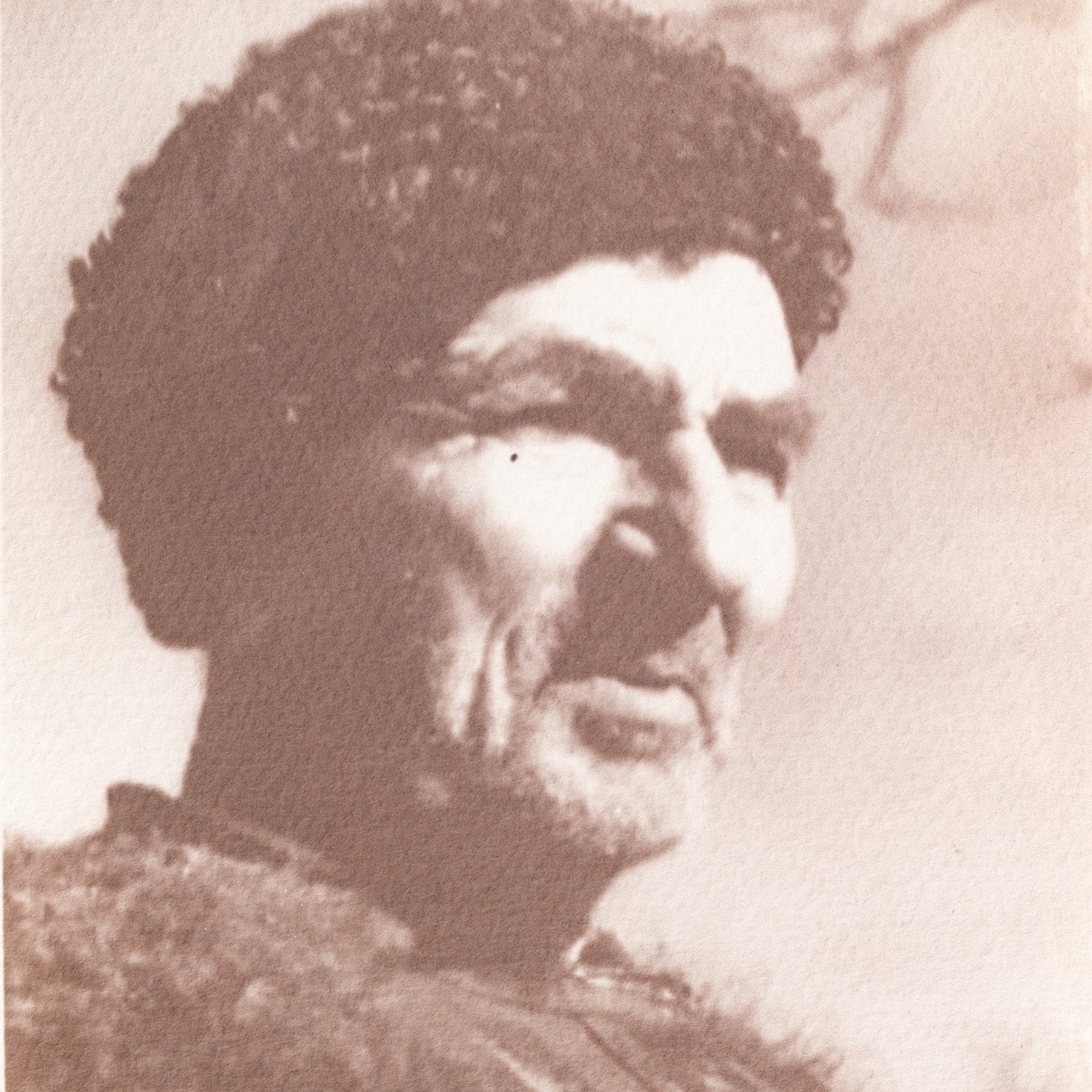
The vernacular photos of Romania presented in reverse shot to the work of Cristina Epure at the Tiny Gallery come from the old collections of the Astra Museum in Sibiu. The ASTRA Museum is one of the most dynamic public museums in Romania when it comes to the preservation and active promotion of tangible and intangible cultural heritage of ethnographic value. Photographic testimonies of a rural civilization, the images are the mirror of the relationship of man often alone in front of his often immense space.

The contemporary prints made by the old technique of salted paper inscribe the photographs in a permanence of the material.

Salt prints from the Turda mine – Transylvania.
Salt prints are one of the oldest photographic processes invented by the Frenchman Hippolyte Bayard in 1839 and finalized by Henry Fox Talbot.

ASTRA Museum is one of Romania's most dynamic public museums when it comes to actively preserving and promoting tangible and intangible cultural heritage with ethnographic value. For the last decades, it focused on gathering the most impressive and extended open-air collection of traits and samples of Romanian rural civilization, developing programs and cultural activities for a better understanding of the life of the villagers in the entire country, as well as enhancing and promoting Romanian minorities’ collections and non-European collections.

Photographies Cristina Epure
Procédés photographiques au papier salé Olivier Guyaux
Archives Astra Sibiu Museum

Conférence Paul Hermant

Dans le cadre de la Biénnale de la photographie de Molenbeek-Saint-Jean

Horaires des visites
Entrée 5 euros
Mercredi 15h – 18h
Jeudi 15h – 18h
Vendredi 15h – 18h
Samedi 11h – 18h
Dimanche 15h – 18h

Cristina Epure est historienne de l’art et photographe d’origine roumaine, vivant à Bruxelles. « Stratigraphies » explore le concept des « lieux fantômes » et la manière dont ils demeurent gravés dans notre mémoire longtemps après avoir disparu. Comme pour un membre amputé, la persistance du schéma corporel tel qu’il était avant la disparition d’une partie du corps serait l’une des causes de l’existence du membre fantôme. C’est une invitation à réfléchir sur le jeu entre le tangible et l’intangible, le visible et l’invisible, et sur la manière dont la mémoire innée façonne notre perception du monde. Les photographies de Cristina témoignent de cette persistance. L’utilisation du sel et de l’eau de Transylvanie comme matériaux de base pour le tirage des photographies renoue avec des territoires effacés.

Les photographies vernaculaires de Roumanie, présentées en contrechamp du travail de Cristina Epure à la Tiny Gallery, proviennent des anciennes collections du Musée Astra de Sibiu. Le Musée ASTRA est l’un des musées publics les plus dynamiques de Roumanie en matière de préservation et de promotion active du patrimoine culturel matériel et immatériel à valeur ethnographique. Témoignages photographiques d’une civilisation rurale, ces images sont le miroir du rapport de l’homme, souvent seul face à un espace souvent immense.

Les tirages contemporains réalisés selon l’ancienne technique du papier salé inscrivent les photographies dans une permanence de la matière.

Tirages au sel de la mine de Turda – Transylvanie.
Les tirages au sel sont l’un des plus anciens procédés photographiques, inventé par le Français Hippolyte Bayard en 1839 et perfectionné par Henry Fox Talbot.

Le Musée ASTRA est l’un des musées publics les plus dynamiques de Roumanie en matière de préservation et de promotion active du patrimoine culturel matériel et immatériel à valeur ethnographique. Depuis plusieurs décennies, il s’attache à rassembler la collection en plein air la plus impressionnante et la plus étendue de traits et d’échantillons de la civilisation rurale roumaine, développant programmes et activités culturelles pour une meilleure compréhension de la vie des villageois à travers tout le pays, tout en mettant en valeur et en promouvant les collections des minorités roumaines et les collections non européennes.

Foto’s Cristina Epure
Fotografische procedés op gezouten papier Olivier Guyaux
Archieven Astra Sibiu Museum

Lezing Paul Hermant

In het kader van de Biénnale de la photographie de Molenbeek-Saint-Jean

Bezoekuren
Toegang 5 euro
Woensdag 15u – 18u
Donderdag 15u – 18u
Vrijdag 15u – 18u
Zaterdag 11u – 18u
Zondag 15u – 18u

Cristina Epure is kunsthistorica en fotografe van Roemeense afkomst, wonend in Brussel. ‘Stratigraphies’ verdiept zich in het concept van ‘spookplaatsen’ en hoe deze lang na hun verdwijning in ons geheugen gegrift blijven. Zoals bij een geamputeerd ledemaat zou de aanhoudende aanwezigheid van het lichaamsschema zoals het was vóór het verdwijnen van een lichaamsdeel, een van de oorzaken zijn van het bestaan van het fantoomledemaat. Het is een uitnodiging om na te denken over het samenspel tussen het tastbare en het ontastbare, het zichtbare en het onzichtbare, en over hoe het aangeboren geheugen onze perceptie van de wereld vormt. Cristina’s foto’s getuigen van deze aanhoudende aanwezigheid. Het gebruik van zout en water uit Transsylvanië als basismateriaal voor het afdrukken van de foto’s herstelt een band met verdwenen gebieden.

De vernaculaire foto’s van Roemenië, getoond als tegenbeeld van het werk van Cristina Epure in de Tiny Gallery, zijn afkomstig uit de oude collecties van het Astra Museum in Sibiu. Het ASTRA Museum is een van de meest dynamische openbare musea van Roemenië op het vlak van het behoud en de actieve promotie van het materiële en immateriële cultureel erfgoed met etnografische waarde. Als fotografische getuigenissen van een landelijke beschaving vormen de beelden de spiegel van de verhouding van de mens, vaak alleen tegenover een vaak immense ruimte.

De hedendaagse afdrukken, gemaakt volgens de oude techniek van het gezouten papier, plaatsen de foto’s in een blijvende aanwezigheid van het materiaal.

Zoutdrukken uit de mijn van Turda – Transsylvanië.
Zoutdrukken behoren tot de oudste fotografische procedés, uitgevonden door de Fransman Hippolyte Bayard in 1839 en verder ontwikkeld door Henry Fox Talbot.

Het ASTRA Museum is een van de meest dynamische openbare musea van Roemenië op het vlak van het actief behoud en de promotie van het materiële en immateriële cultureel erfgoed met etnografische waarde. De afgelopen decennia heeft het zich toegelegd op het samenbrengen van de meest indrukwekkende en uitgebreide openluchtcollectie van kenmerken en voorbeelden van de Roemeense landelijke beschaving, waarbij programma’s en culturele activiteiten werden ontwikkeld voor een beter begrip van het leven van de dorpsbewoners in het hele land, en waarbij tevens de collecties van Roemeense minderheden en niet-Europese collecties werden versterkt en gepromoot.